Info

👋🏼 I’m Cam Stevens, a Senior Visual Designer who loves shaping digital and print materials for brands that make an impact. I’m all about ‘simpler but better’, and making things look great on purpose. Currently designing away @StackAdapt.
Read moreConnect
📬 Feel free to say ‘hi’ and reach out via email.
If you have a question or concern about a recent print purchase, please read the delivery and returns/terms info provided by Pictorem.
Work featured in
-
Eastbound Brewing Co Brewpub interior decor
Eastbound Brewing Co
Current
-
Custom wood print for winery’s interior decor
Palatine Hills Estate Winery
Current
-
Canada’s Parks Posters featured in ‘Weekend Refresh’
Tastemade
2023
-
Canada’s Parks Posters seen in ‘Snowkissed’
Hallmark Channel
2021
-
13 incredible prints by Canadian artists for all your gifting needs
CBC
2019
-
Canada’s Parks Posters permanent display
High Commission of Canada, Dhaka
Installed 2017
-
Buff® Canada 150 Collection (Sold Out)
Buff®
2017
I’ve spent my career deep in the craft of design, and I believe every idea deserves room to grow into something real.
Design is not just my job, it’s how I think. It shapes how I spend my time, how I see things, and how I tackle a project from first sketch to final file.
Looking back, a few key moments and projects stand out as the ones that shaped me, and they’re still pushing me to grow.
The early artist
Grade school, through high school — 1982-1996
I was drawing and painting from a young age, and by high school it was pretty clear where my strengths were (math, not so much). I figured out early on that fine art full-time wasn’t going to be the right fit for me. What did stick, though, was an obsession with BMX magazine layouts and branding which is what got me into graphic design in the first place (and also movie posters and album art).
Higher learning
College and University — 1996-2001
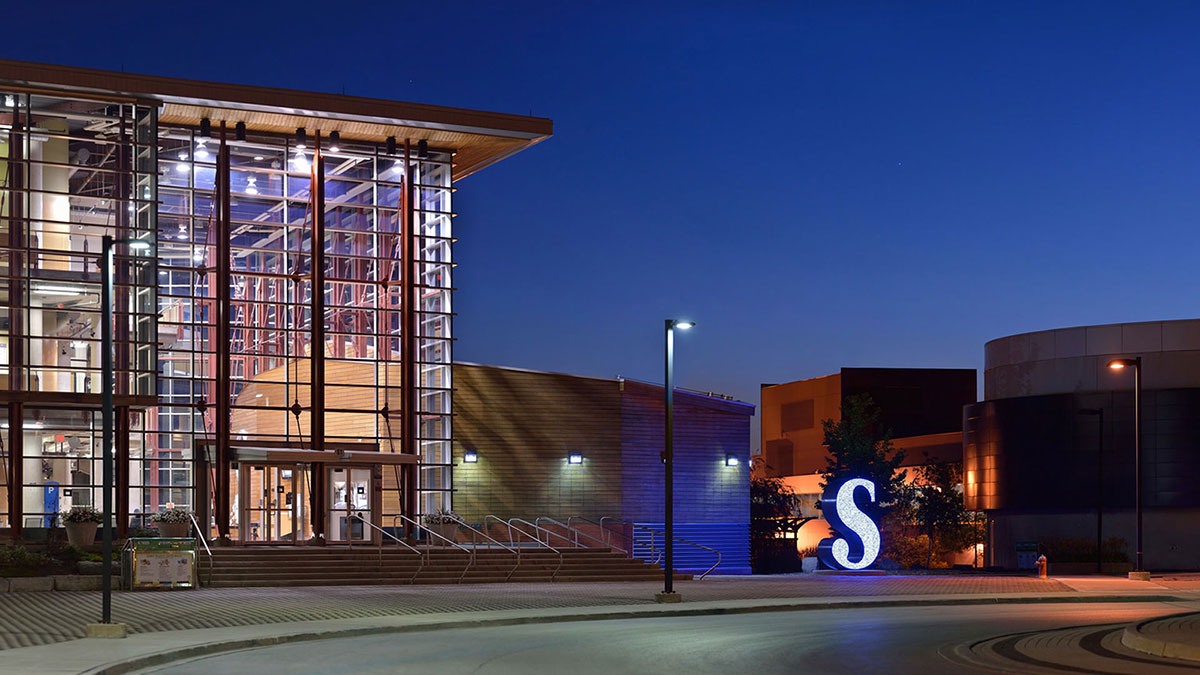
Post-secondary education provided me with a broad foundation; from design principles and theory, to critical thinking, craftsmanship, and the history of art and design. More importantly, it taught me how to learn. This skill of continuous learning and adaptability has been invaluable throughout my career.
Going digital
First portfolio website — 2006
Before I had any formal design training, my computer experience was very old-school: loading DOS, printing noisy dot matrix graphics from Print Shop, creating pixel art in Microsoft Paint, and later, playing games like Kings’s Quest, World of Warcraft, and Duke Nukem.
Then the internet came along and I eventually (reluctantly) decided to try building my own personal website for a couple reasons:
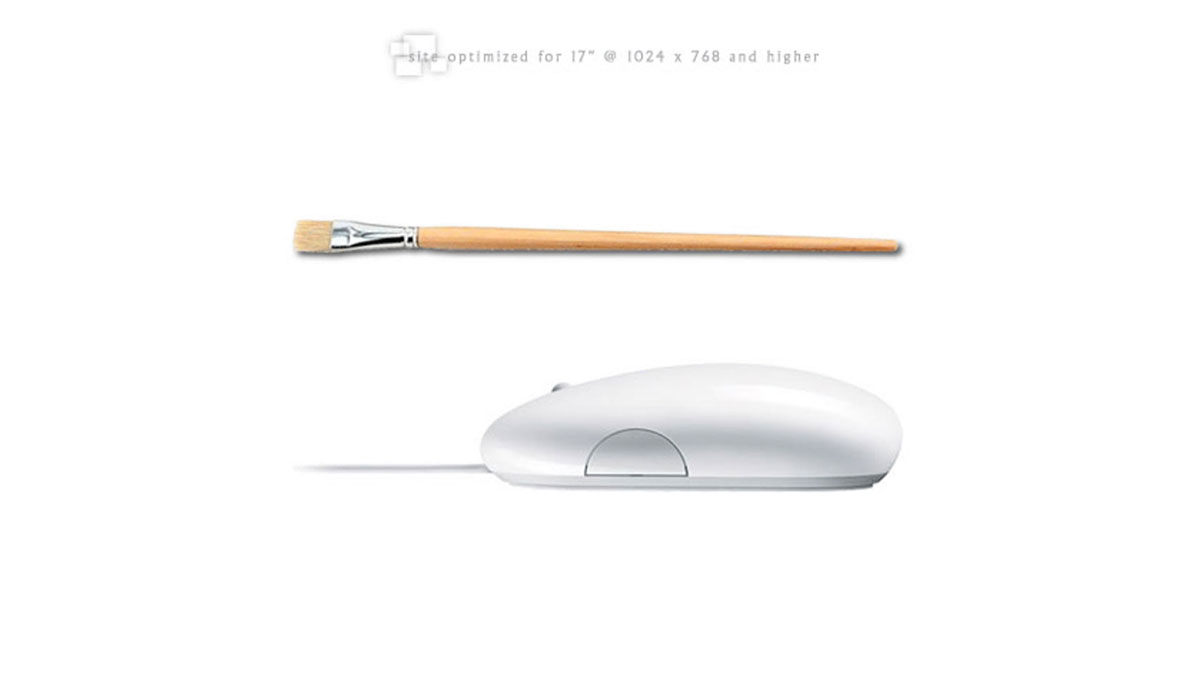
At the time I was painting a lot of landscapes and wanted an easy way to share (and maybe sell) them without lugging them around to shows. Similarly, the bulky portfolio case I brought to job interviews was starting to feel outdated.
Adobe GoLive was the only no-code tool I had access to, so that’s what I built my first sites with using drag-and-drop features and image-based buttons. I kept tinkering and improving over time, and eventually just fell in love with building and designing online.
Everything, all at once
First job as a Graphic Designer — 2002
I landed my first job as a Graphic Designer at a company that made and distributed paint supply products all over North America. The role covered packaging for thousands of products, plus sell sheets, MSDS documents, signage, point-of-purchase displays, brochures, catalogues... you name it. QuarkXpress was still the industry standard for layout (even if it was losing steam), and that’s when I switched over to InDesign as it started taking off.
Product photography fell under my job too, which mattered more and more as digital imaging became the norm. It was a fast, varied environment, and it’s what got me fully hooked on everything graphic design could be.
Learning Flash
Trying my hand at animation — 2006-2008
Around this time, Macromedia Flash was shaking up web design. Suddenly you could build rich animations and interactive experiences that just weren’t possible before. I taught myself to build Flash websites with whatever scraps of info I could dig up online or in books. That new creative outlet is what pushed me to start my own design “business”: Brushfire (yep, the painting connection again).
Web tech kept moving, and Flash eventually got left behind with its security issues, performance problems, lack of mobile support, etc. Because of this I had to retire my Flash site, but I never guessed that almost 20 years later, the keyframe animation skills I built back then would come back around in a big way through Adobe After Effects.
Learning HTML and CSS
A string of improving portfolio sites — 2006-Present
As my career moved forward and my portfolio grew, I decided it was time to build out my site more. That meant teaching myself HTML and CSS from scratch, working through tutorials on sites like Tuts+ (now Envato) until it clicked.
Once I finished my first hand-coded site, I was hooked for good. I loved writing clean code and took real pride in validating my HTML and CSS. That “HTML and CSS Valid” badge lived proudly in my footer 🤓. That was the start of a deep appreciation for web dev that’s stuck with me ever since. I kept learning new techniques along the way, and each site got a little sharper than the last.
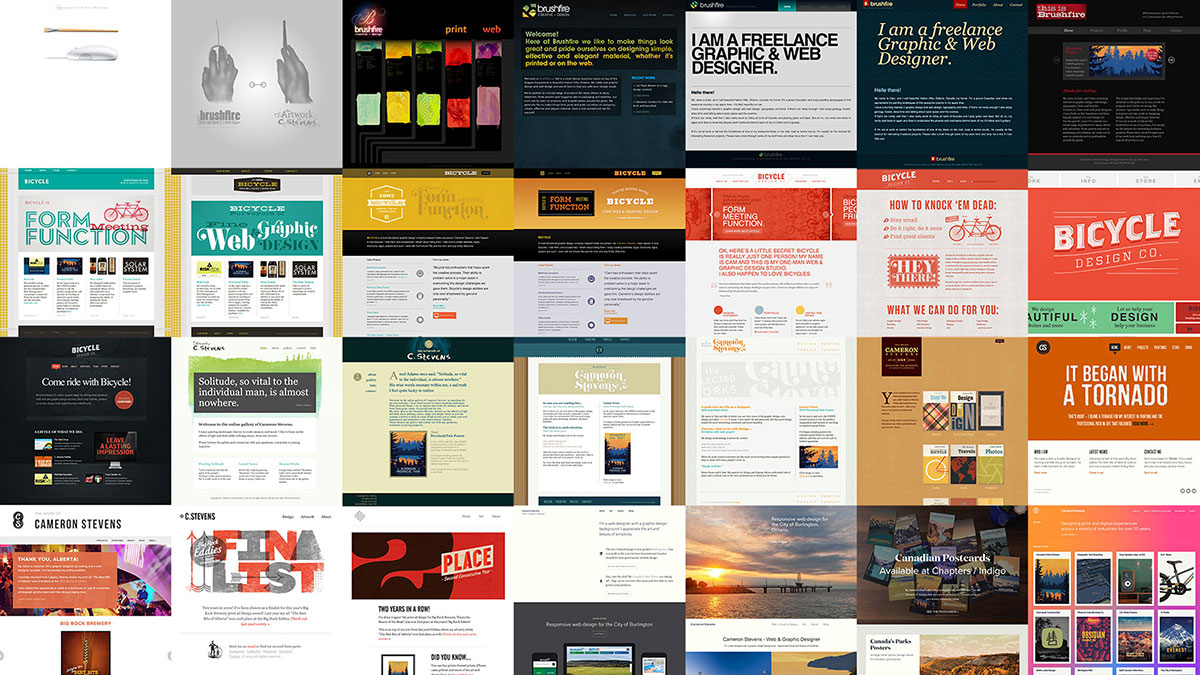
Few things have shaped my career as much as learning the fundamentals of the web. There’s something empowering about being able to build what you’ve designed. I don’t think coding is a must-have for every designer, but knowing how digital products are actually put together leads to better design calls and easier collaboration with developers.
Designing for the public
Learning about accessibility and designing for everyone — 2013-2016
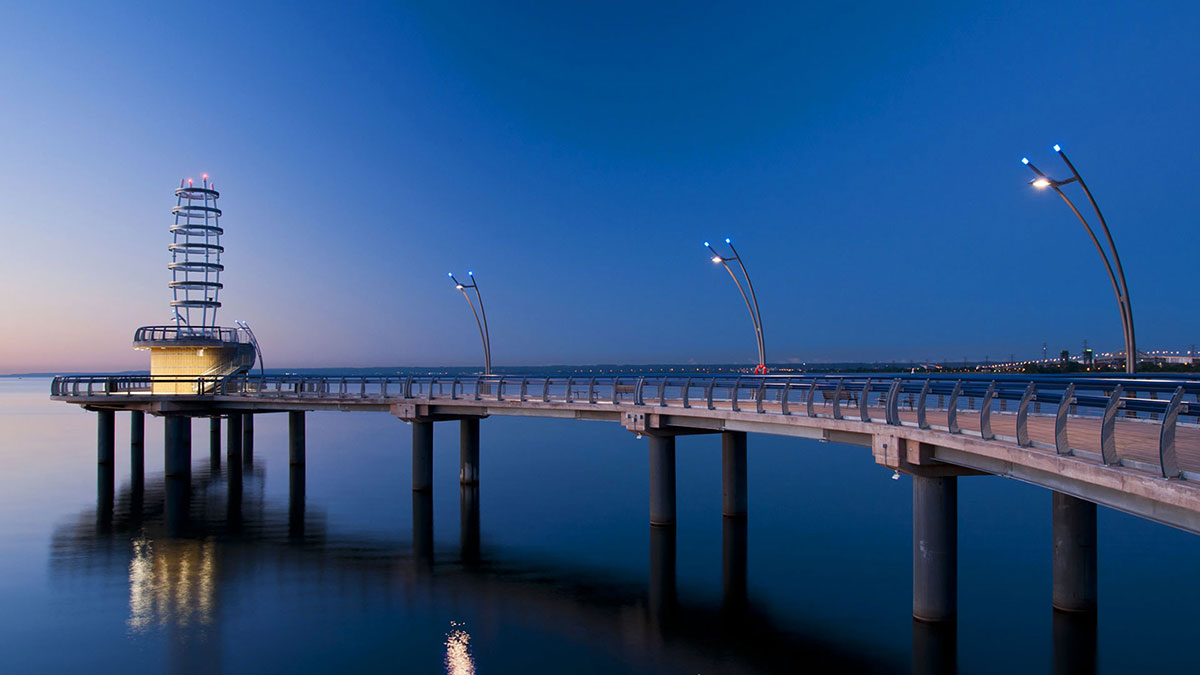
A big turning point in my career was getting hired by the City of Burlington as Graphic Designer and Web Lead. Up until then, my work mostly lived in retail spaces and online. This role let me design directly for the public for the first time.
I helped lead the redesign of the city’s notoriously confusing street parking signage, and put out a steady stream of posters, newsletters, brochures, and graphics. I also played a big part in the full redesign of the city’s website.
But probably the biggest thing I took from this job was a much deeper understanding of accessibility which is something that’s stayed central to everything I do, print or digital, ever since.
A project for everyone
Canada’s Parks Posters — 2009-Present
My Canada’s Parks Posters series started out as a personal passion project, celebrating some of my favourite Canadian parks with vintage-inspired prints that just didn’t exist yet. Since then it’s grown quite a bit, now including U.S. parks as well.
I get requests all the time from supporters near and far for new posters, and hearing how much people enjoy them is genuinely rewarding. It’s a real honour knowing my work is hanging in homes and businesses across Canada and around the world.
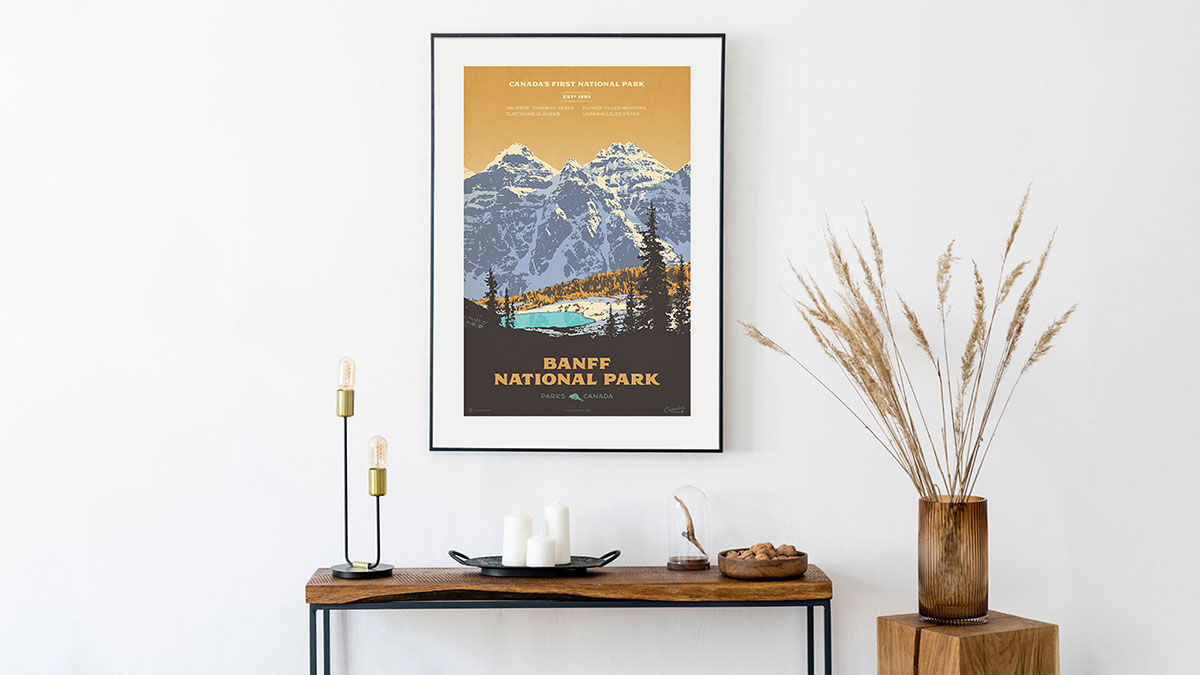
I think personal projects are huge for creative growth and experimentation. Not every job gives designers the room to fully explore their own ideas. Most of my side projects haven’t made any money, but they’ve been huge for building new skills and opening doors.
My time in this field has taught me that tech comes and goes, but the fundamentals of good, strategic design don’t. I know where AI fits into the process and where it doesn’t. That experience lets me move through complex projects efficiently, make quick, informed calls, and land on solutions that work well. I’m always up for learning new tools and workflows, but at the end of the day, design still needs human insight, strategy, and a bit of seasoned judgment.